
In today’s competitive online world, digital marketing has become the backbone of every successful business. From startups to global brands, every company wants to stand out online. But the question is what is most important for the success of digital marketing?
The success of digital marketing depends on several core elements such as a well-planned strategy, understanding the target audience, creating high-quality content, implementing SEO, running effective social media campaigns, and analyzing performance data.
Let’s explore these key factors one by one to understand what truly drives digital marketing success.
Understanding What Digital Marketing Really Means
Before knowing what is most important for the success of digital marketing, it’s essential to understand what digital marketing actually is.
Digital marketing refers to promoting products or services using online platforms such as search engines, social media, email, and websites. It involves both organic and paid methods to reach potential customers.
The main goal is to connect with the right audience at the right time using the right digital channels — whether it’s Google, Instagram, Facebook, YouTube, or LinkedIn.
The Most Important Factors for Digital Marketing Success
Now, let’s discuss what is most important for the success of digital marketing — the key pillars that define how effectively your online marketing strategy performs.

1. Clear Digital Marketing Strategy
The first and most important factor for the success of digital marketing is a clear and well-defined strategy. Without a proper plan, your marketing efforts will lack direction.
Your digital marketing strategy should include:
- Defined goals (brand awareness, leads, sales)
- Target audience research
- Chosen platforms (Google Ads, Meta Ads, SEO, Email)
- Content plan and posting schedule
- Budget and timeline
A solid strategy acts as a roadmap that aligns every marketing activity with your business objectives.
2. Understanding Your Target Audience
No matter how good your content or ads are, if you’re not reaching the right audience, your campaign will fail.
Therefore, understanding your target audience is one of the most important aspects of digital marketing success.
Identify:
- Age, gender, and location
- Interests and pain points
- Online behavior and purchasing habits
Tools like Google Analytics, Facebook Audience Insights, and HubSpot can help you analyze audience data effectively.
3. Quality and Engaging Content
You’ve heard it many times — Content is King!
Content marketing plays a central role in digital marketing success. High-quality, engaging, and valuable content helps attract, educate, and convert users.
Types of content that work best include:
- Blog posts & articles
- Short videos & reels
- Infographics
- Podcasts
- E-books and guides
When your content solves real problems, your audience trusts your brand more — which directly impacts conversions.
Read More: Best Places to Visit in India – Top Travel Destinations for Every Traveler
4. Search Engine Optimization (SEO)
SEO (Search Engine Optimization) is another key factor that defines what is most important for the success of digital marketing.
SEO helps your content rank higher on Google, increasing visibility and organic traffic.
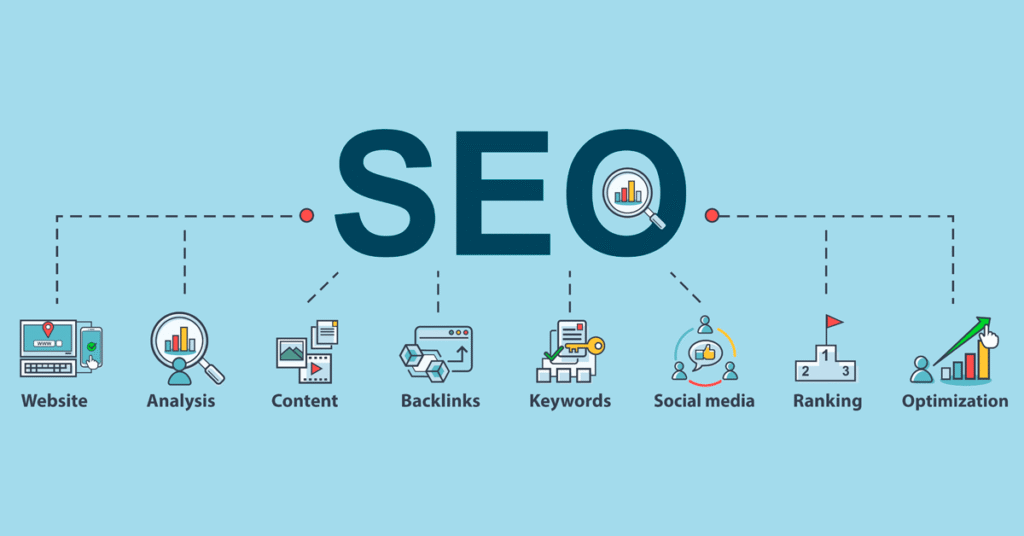
Main SEO elements include:
- Keyword research and placement
- On-page optimization (titles, meta tags, headings)
- Quality backlinks
- Mobile-friendly website
- Fast loading speed
A website optimized for SEO ensures that your audience finds you when they search online.
5. Data Analytics and Performance Tracking
In digital marketing, data is power.
To ensure success, you must constantly track and measure your campaign’s performance.
Use tools like:
- Google Analytics for traffic and conversions
- Google Search Console for keyword insights
- Facebook Ads Manager for ad performance
By analyzing data, you can identify what’s working and what’s not — and then optimize your strategy accordingly.
6. Social Media Presence and Engagement
Social media platforms like Instagram, Facebook, LinkedIn, and YouTube are essential for brand visibility and engagement.
Building a strong social media presence helps brands connect with audiences directly, promote offers, and boost trust.
Post consistently, use visuals, and engage with followers through comments and DMs.
Remember — people follow people, not logos. Authentic engagement is key to long-term success.
7. Paid Advertising and Remarketing
While organic marketing is great, paid ads are equally important for faster growth.
Platforms like Google Ads, Facebook Ads, and Instagram Ads allow you to reach highly targeted audiences.
Remarketing campaigns help you re-engage users who visited your website but didn’t convert. This improves conversion rates and ROI significantly.
8. Mobile-Friendly and User Experience (UX)
A mobile-friendly website with an excellent user experience (UX) is crucial for success in digital marketing.
Most users browse and buy from mobile devices — so your website must load fast, be responsive, and easy to navigate.
A poor UX can instantly drop your conversion rate, no matter how good your marketing campaign is.
Key Takeaways — What Really Drives Digital Marketing Success
To summarize, here’s what is most important for the success of digital marketing:
- A clear strategy and goals
- Deep understanding of your target audience
- High-quality, SEO-optimized content
- Strong social media engagement
- Effective paid advertising
- Continuous analytics and optimization
- Great user experience
All these elements work together like parts of a machine — if one fails, the entire system weakens.